Meritbet Güncel Giriş: How Food and Wine Culture Shapes Modern Dining
Meritbet Güncel Giriş: How Food and Wine Culture Shapes Modern Dining
The phrase Meritbet güncel giriş might seem like a simple search query, but it opens a window into a broader conversation about how food and wine culture continues to evolve in the modern dining scene. Whether you are a casual diner, a passionate home cook, or someone who simply enjoys discovering new flavors, understanding the relationship between food and wine can transform an ordinary meal into a memorable experience. This article explores the many dimensions of contemporary food and wine culture, from the rise of wine bars to the art of pairing, and how establishments like Imperium Food and Wine in Celebration, Florida, are setting new standards for beverage programs.
The Renaissance of Wine Bars and Restaurant Beverage Programs
Over the past two decades, wine bars have shifted from niche establishments to central pillars of urban and suburban dining culture. What was once a space reserved for connoisseurs has become an accessible, welcoming environment where guests can explore a wide range of wines by the glass. Restaurants have responded by expanding their beverage programs far beyond a few house pours. Today, it is not uncommon to find venues offering over 80 wines by the glass, covering red, white, sparkling, and dessert categories. This variety allows diners to sample different regions, grape varietals, and styles without committing to a full bottle.
The appeal of a well-curated wine list goes beyond mere selection. It reflects a restaurant’s philosophy, its commitment to quality, and its understanding of how wine complements food. A thoughtful beverage program can elevate a simple dish into something extraordinary, and it can also introduce guests to new favorites they might never have discovered otherwise. Establishments like Imperium Food and Wine have embraced this approach, sourcing wines from Europe, California, South America, and Australia to create a truly international selection.
How Global Sourcing Shapes a Modern Wine Menu
The global wine trade has never been more vibrant. Improved logistics, reduced tariffs in many regions, and a growing consumer appetite for diversity have made it possible for restaurants to offer wines from virtually every major wine-producing country. A modern wine menu often reads like a travel itinerary: a crisp Albariño from Spain, a bold Malbec from Argentina, a buttery Chardonnay from California, a sparkling Prosecco from Italy, and a rich Shiraz from Australia. Each bottle tells a story of its terroir, climate, and winemaking tradition.
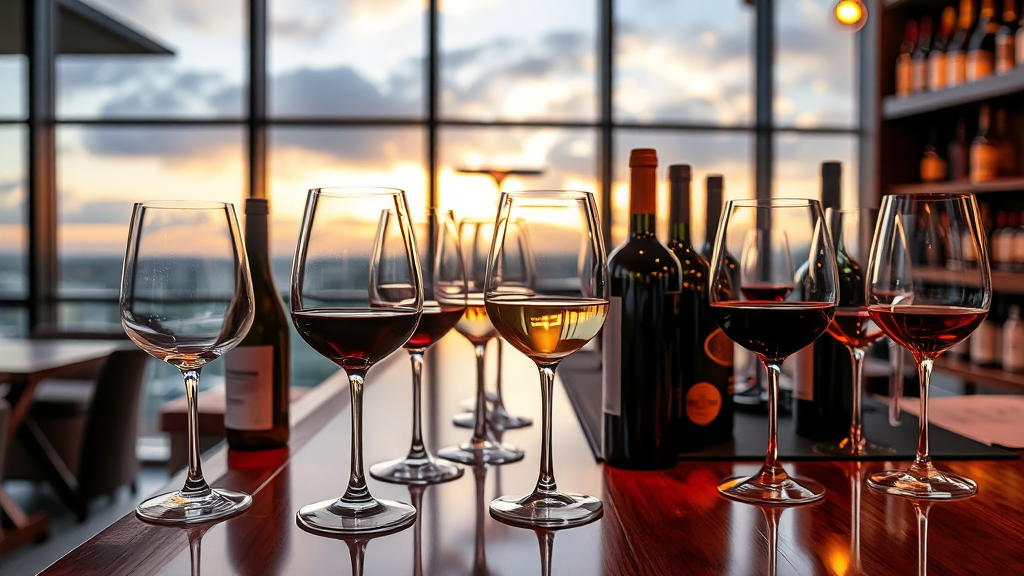
For restaurant patrons, this abundance is both exciting and potentially overwhelming. That is why knowledgeable staff and well-organized menus are essential. Many wine bars now group their selections by style, body, or region, making it easier for guests to navigate. Some even offer tasting flights, allowing diners to compare three or four wines side by side. This educational approach demystifies wine and encourages experimentation, turning a simple dinner into an interactive experience.
When a venue like Padişahbet güncel giriş invests in a diverse wine list, it also invests in the local dining community. It creates a space where people can gather, celebrate, and learn. The wine menu becomes a conversation starter, a reason to return, and a point of pride for the establishment.
Pairing Wine with Food: Principles and Pleasures
The art of food and wine pairing is often presented as a complex science, but at its core, it is about balance and enjoyment. The goal is to find combinations where the wine enhances the food and vice versa. While there are classic pairings—Cabernet Sauvignon with steak, Sauvignon Blanc with goat cheese, Champagne with oysters—there are no absolute rules. Personal taste always reigns supreme.
That said, a few guiding principles can help even novice diners make satisfying choices. First, consider the weight of the dish. Light dishes like salads and seafood generally pair well with light-bodied wines such as Pinot Grigio or unoaked Chardonnay. Heavier dishes like braised meats and rich pastas call for fuller-bodied wines like Merlot or Zinfandel. Second, think about acidity and sweetness. High-acid wines cut through fatty foods, while sweet wines can balance spicy or salty flavors. Third, don’t overlook sparkling and dessert wines. A dry sparkling wine can serve as a versatile aperitif, while a tawny port or late-harvest Riesling can be the perfect finale to a meal.
Restaurants that offer a wide selection of wines by the glass make it easier for diners to experiment with pairings. Instead of committing to a full bottle, guests can order a glass that complements each course. This flexibility is one reason why wine bars and restaurants with extensive by-the-glass programs have become so popular.
Beyond Wine: Beer and Cocktails in the Beverage Mix
While wine often takes center stage in discussions of food pairing, a complete beverage program also includes beer and cocktails. Craft beer has experienced a similar renaissance to wine, with local breweries producing a stunning array of styles. A well-chosen bottled beer selection can offer everything from crisp lagers to hoppy IPAs and rich stouts, each with its own pairing potential. For example, a citrusy IPA can complement spicy dishes, while a malty brown ale works well with roasted meats.
Wine cocktails, too, have found a place in modern beverage menus. Drinks like the Aperol Spritz, Kir Royale, and Sangria blur the line between wine and cocktail, offering refreshing alternatives for guests who want something a little different. These beverages can be enjoyed on their own or paired with appetizers, and they add a playful, creative dimension to the dining experience.
Establishments that offer a diverse range of beverages—wine, beer, and cocktails—cater to a broader audience and encourage social dining. Groups with different preferences can all find something to enjoy, making the venue more inclusive and festive.
Creating a Memorable Dining Experience: The Role of Ambiance and Service
Food and wine are the stars, but ambiance and service are the supporting cast that can make or break a dining experience. A wine bar or restaurant’s interior design, lighting, music, and layout all contribute to the overall mood. Warm lighting and comfortable seating encourage guests to linger, while an open bar or visible wine rack adds a sense of authenticity and craft.
Service is equally important. Knowledgeable servers and bartenders can guide guests through the menu, offer recommendations, and share stories about the wines. This personal touch transforms a transaction into a relationship, and it keeps customers coming back. In a world where online reviews and social media shape reputations, excellent service is a powerful differentiator.
For those exploring options like Lunabet güncel giriş, the emphasis on quality and experience is clear. Whether it’s a casual weeknight dinner or a special celebration, the right combination of food, wine, and atmosphere creates lasting memories.
Exploring Local Wine Culture: A Case for Community Engagement
Wine culture is not just about what’s in the glass; it’s also about community. Local wine bars and restaurants often host tastings, wine dinners, and educational events that bring people together. These gatherings allow enthusiasts and novices alike to learn from sommeliers, winemakers, and each other. They also support local producers and importers, strengthening the regional food and beverage ecosystem.
In towns like Celebration, Florida, a vibrant wine scene can become a draw for tourists and a point of pride for residents. Establishments that prioritize a diverse and well-curated wine menu contribute to the cultural fabric of their community. They provide a space for connection, celebration, and discovery—one glass at a time.
FAQ: Common Questions About Wine and Dining
What does “wines by the glass” mean?
Wines by the glass are individual servings of wine, typically 5 to 6 ounces, poured from a bottle that is open and available for purchase in single servings. This allows guests to try different wines without committing to a full bottle.
How should I choose a wine to pair with my meal?
Start by considering the weight and flavor intensity of your dish. Lighter dishes pair well with light-bodied wines, while heavier dishes call for fuller-bodied wines. Don’t be afraid to ask your server for recommendations—they are there to help.
Are dessert wines only for dessert?
While dessert wines are traditionally served with sweet courses, they can also be enjoyed as an aperitif or paired with savory dishes like foie gras or blue cheese. Their sweetness and complexity make them versatile.
What is the difference between sparkling wine and Champagne?
Champagne is a type of sparkling wine produced exclusively in the Champagne region of France and made using specific methods. Other sparkling wines, such as Prosecco, Cava, and Crémant, are produced in other regions and may use different grape varieties and production techniques.
Can I enjoy wine if I’m not a wine expert?
Absolutely. Wine is meant to be enjoyed, not intimidating. Start with styles you like—perhaps a fruity red or a crisp white—and explore from there. Many wine bars offer tasting flights and knowledgeable staff to guide you.
Conclusion: Embracing the Food and Wine Journey
The world of food and wine is vast, rewarding, and constantly evolving. From the global sourcing of diverse bottles to the creative pairing of flavors, there is always something new to discover. Whether you are drawn to the concept of Meritbet güncel giriş or simply looking for a great place to enjoy a glass of wine, the key is to stay curious and open-minded. Establishments like Imperium Food and Wine exemplify the best of modern dining: a commitment to quality, variety, and hospitality. So next time you dine out, take a moment to explore the wine list, ask questions, and savor the experience. You might just find your new favorite pour.