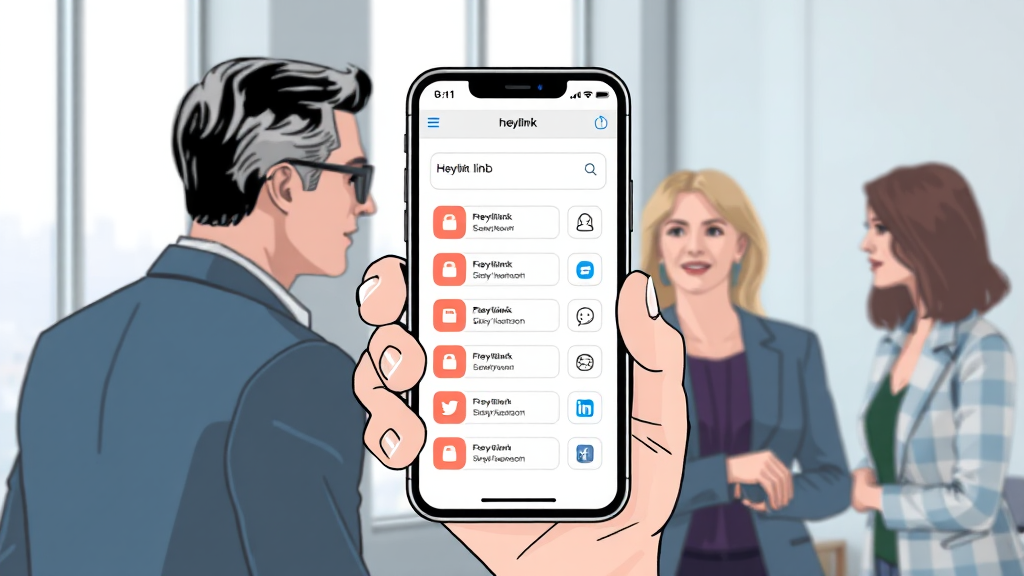
A Complete Guide to Managing and Sharing Links with https://heylink.me/lavowin
A Complete Guide to Managing and Sharing Links with https://heylink.me/lavowin
In today’s digital landscape, sharing multiple links efficiently is a common challenge for creators, businesses, and everyday users. Whether you are promoting a new project, compiling resources for an audience, or simply organizing your online presence, having a single, clean destination for all your important URLs can save time and improve user experience. This is where platforms like https://heylink.me/lavowin come into play. By offering a centralized hub for all your links, you can direct your audience to one place where they can find everything they need, without overwhelming them with a long list of scattered URLs.
In this comprehensive guide, we will explore the concept of link-in-bio tools and how they can be used effectively, using https://heylink.me/lavowin as a practical example. We will discuss the benefits of using such a platform, how to set up your own link hub, best practices for sharing, and common use cases. By the end, you will have a clear understanding of how to leverage this type of tool for your personal or professional needs.
What Is a Link Hub and Why Do You Need One?
A link hub, often referred to as a “link-in-bio” page, is a single webpage that contains a collection of links to various destinations. It acts as an intermediary between your primary profile (such as a social media bio) and the multiple websites, articles, videos, or products you want to share. Instead of choosing just one link to place in your bio, you can link to a hub that lists all your important URLs in an organized manner.
The need for such a tool has grown with the rise of social media platforms that limit bios to a single clickable link. For instance, Instagram, TikTok, and Twitter allow only one link in the bio section. This limitation forces users to update their bio frequently or miss out on directing traffic to multiple resources. A link hub solves this problem by providing a stable, shareable URL that never changes, even when the underlying links are updated.
Moreover, a link hub enhances the user experience. Instead of presenting a wall of raw URLs, you can present a clean, branded page with buttons or cards that are easy to tap on a mobile device. This reduces friction and increases the likelihood that visitors will click through to your content.
Key Features of a Reliable Link Sharing Platform
When evaluating a link sharing platform, several features are essential for a smooth experience. First and foremost is ease of use. The platform should allow you to create and edit your link page quickly, without requiring technical skills. You should be able to add, remove, or reorder links with just a few clicks.
Another critical feature is customization. Being able to change the appearance of your page—such as adding a profile picture, a short bio, and a background color—helps you maintain brand consistency. Some platforms even allow you to use custom themes or upload your own images. This is particularly important for businesses that want to reinforce their visual identity.
Analytics is also a valuable feature. Knowing how many people visit your page and which links they click can inform your content strategy. Many platforms offer built-in analytics, while others integrate with third-party tools like Google Analytics. Finally, reliability and uptime are non-negotiable. Your link hub must be accessible at all times, especially if you are using it to drive traffic to your content or sales pages.
While I cannot confirm the specific features of https://heylink.me/lavowin without visiting the page, the general principles of a good link hub apply. You should look for a platform that is intuitive, customizable, and provides the necessary tools to manage your links effectively.
How to Set Up Your Own Link Hub: A Step-by-Step Approach
Creating your own link hub is simpler than you might think. Here is a general step-by-step approach that you can adapt to most platforms, including the one you see at the URL provided.
Step 1: Identify Your Core Links
Before you start building, list all the links you want to share. This could include your website, blog posts, social media profiles, product pages, newsletter signup, or any other online resource. Prioritize them based on what you want your audience to see first.
Step 2: Choose a Platform
Select a link-in-bio service that meets your needs. Consider factors such as cost, customization options, and whether it offers analytics. The platform you choose should be reputable and widely used to ensure reliability.
Step 3: Create an Account and Set Up Your Page
After signing up, you will typically be guided through a setup wizard. You will choose a username or custom URL, which will be the address of your link hub. For example, the URL https://heylink.me/lavowin suggests a username “lavowin” on the heylink platform. You would have a similar unique address.
Step 4: Add Your Links
Using the dashboard, add each of your links. You can usually give each link a title or label that appears on the page. Make sure the titles are descriptive and encourage clicks. For example, instead of “Click here,” use “Read my latest blog post” or “Watch my tutorial video.”
Step 5: Customize the Appearance
Upload a profile picture (often your logo or a personal photo), write a short bio that introduces you or your brand, and choose a color scheme that matches your identity. The goal is to make the page visually appealing and trustworthy.
Step 6: Test and Publish
Preview your page on both desktop and mobile to ensure everything looks good. Click each link to verify that it goes to the correct destination. Once satisfied, publish your page and start using the URL in your social media bios, email signatures, or even printed materials.
Best Practices for Sharing Your Link Hub
Once your link hub is live, it is important to use it effectively. Here are some best practices to keep in mind:
Keep Your Links Updated
If you publish new content regularly, make sure to update your link hub accordingly. Remove outdated links and add new ones. An outdated page can frustrate visitors and harm your credibility.
Use a Consistent Username
If possible, use the same username across all platforms to reinforce your brand. For instance, if your handle is “lavowin” on the link hub, try to use that same handle on Instagram, Twitter, and other networks. This makes it easier for people to find you everywhere.
Place the Link Prominently
Your link hub URL should be easy to find. In your social media bios, place it as the sole link or the first link. On your website, include it in the footer or on a dedicated “Links” page. The more visible it is, the more traffic it will receive.
Monitor Your Analytics
Regularly check the analytics of your link hub to see which links are performing well. This data can guide your content creation and marketing efforts. For instance, if a particular product link receives many clicks, you might want to create more content around that product.
Promote Your Link Hub Offline
Do not limit your link hub to online use. You can print your URL on business cards, flyers, or even merchandise. This is especially useful for events where you want to share multiple resources with attendees.
Common Use Cases for a Link Hub
Link hubs are versatile and can be used in various scenarios. Here are a few common use cases:
Influencers and Content Creators
Influencers often have a presence on multiple platforms and create content across various topics. A link hub allows them to direct followers to their latest YouTube video, Instagram post, podcast episode, or affiliate products—all from one place.
Small Businesses and E-commerce
Small businesses can use a link hub to showcase their online store, customer reviews, contact page, and social media channels. This is particularly useful for pop-up shops or businesses that rely on social media for sales.
Event Organizers
For conferences, webinars, or workshops, organizers can create a link hub that contains registration links, schedules, speaker bios, and resources. Attendees can access everything from a single URL.
Job Seekers and Freelancers
Professionals can use a link hub to share their resume, portfolio, LinkedIn profile, and contact information. This makes it easy for potential employers or clients to view all relevant information without searching.
Educators and Trainers
Teachers and trainers can compile reading materials, assignment submissions, and supplementary videos into a link hub. This simplifies the distribution of resources to students.
Frequently Asked Questions (FAQ)
Is it safe to use a link hub like the one at https://heylink.me/lavowin?
Generally, yes, as long as you are using a reputable platform. Always verify the platform’s security measures, such as HTTPS encryption and privacy policies. Also, be cautious when clicking on links shared by others, as they could lead to malicious sites. Use common sense and ensure that the pages you visit are legitimate.
Can I use my own domain for a link hub?
Many link hub platforms allow you to use a custom domain, but this feature may be available only on paid plans. If you want to use your own domain, check whether the platform offers that option. For example, instead of a generic URL, you could use something like link.yourdomain.com.
How many links can I add to my link hub?
The number of links you can add depends on the platform. Some platforms have no limit, while others may cap the number of links on free plans. If you need to share many links, consider a platform that offers unlimited links or upgrade to a paid plan if necessary.
Can I track clicks on each link in my hub?
Most platforms provide basic analytics, such as total page views and clicks per link. Some offer more advanced features like click-through rates and referral sources. If you need detailed analytics, look for a platform that integrates with external analytics tools.
Conclusion
In a world where online presence is fragmented across countless platforms, a link hub is an essential tool for anyone looking to streamline their digital footprint. By providing a single, organized destination for all your links, you can improve user experience, enhance brand consistency, and gain valuable insights into your audience’s behavior. The URL https://heylink.me/lavowin serves as a prime example of how such a platform can be used to manage and share links effectively.
Whether you are a content creator, business owner, or professional, setting up your own link hub is a straightforward process that can yield significant benefits. Follow the steps outlined in this guide, implement best practices, and you will be well on your way to mastering the art of link sharing. Remember, the key is to keep your page updated, visually appealing, and user-friendly. With a little effort, your link hub can become a powerful asset in your online toolkit.

You May Also Like

출장마사지 완벽 가이드: 집에서 누리는 프리미엄 힐링

Situs Lavowin: A Practical Guide to Smart Online Discovery